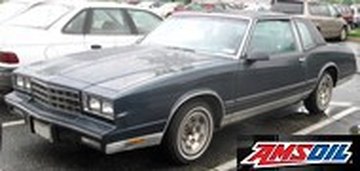
Maintaining Lubrication Integrity for the 1982 Chevrolet MONTE CARLO 3.8L
Proper engine maintenance is a cornerstone of long-term vehicle health, particularly for an engine that has been in operation for several decades. For the 1982 Chevrolet MONTE CARLO equipped with the 3.8L engine, staying proactive with lubrication services helps ensure that internal components continue to operate smoothly and efficiently.Monitoring Fluid Condition and Potential Leaks
One of the most effective ways to monitor the health of your engine is through regular visual inspections. As vehicles age, various seals and gaskets may undergo changes in their physical properties. It is beneficial to periodically inspect the area around the engine for any signs of fluid seepage or active leakage. When performing these checks, look for wet spots on the underside of the engine or staining on the surrounding components. If you notice a change in the amount of oil required between service intervals, it warrants closer investigation. Additionally, checking the appearance of the lubricant itself can provide useful information; if the oil appears excessively dark, gritty, or contains visible contaminants, it may indicate that the lubrication is no longer performing its intended role effectively. Beyond the engine itself, inspecting other connected systems can be part of a comprehensive routine. If equipped, check accessible hoses for signs of cracking or softening, and inspect any drive belts for glazing, fraying, or deterioration. Maintaining these peripheral components helps prevent secondary issues that could eventually impact engine performance or cooling efficiency.Prioritizing Service Based on Current Condition
For an owner of a 1982 Chevrolet MONTE CARLO, maintenance decisions are often most effective when they are based on the actual current state of the vehicle rather than just its age. While chronological age is a factor, the specific way a vehicle has been driven and maintained plays a much larger role in determining what service should be prioritized. If you are stepping into ownership of this vehicle without a complete service history, establishing a maintenance baseline is a practical first step. This involves performing a thorough inspection of all fluids and major mechanical components to understand the current "starting point" of the engine's condition. Once this baseline is established, you can transition from reactive repairs to more effective preventive maintenance. When managing an older vehicle, it is helpful to distinguish between necessary repairs and unnecessary parts replacement. Addressing active leaks or addressing signs of fluid degradation should take precedence over replacing components that still appear to be in good working order. Keeping a detailed log of all completed services, including the dates and observations made during inspections, will assist in identifying patterns and making informed decisions about future maintenance needs.Understanding Lubricant Functionality
Engine oil serves several vital roles that are essential for the continued operation of the 3.8L engine. Primarily, it provides a protective layer between moving parts to reduce friction. Beyond simple lubrication, the fluid also plays a role in managing heat by absorbing and transporting thermal energy away from high-temperature areas within the engine block. Furthermore, modern lubricants are designed with additives that help manage the buildup of deposits and sludge. Over time, the chemical breakdown of oil can lead to the formation of these substances, which may interfere with the clean operation of internal components. Using a high-quality lubricant helps maintain the chemical stability of the fluid, ensuring it continues to provide protection against oxidation and contamination throughout its service life. For engines that have seen significant years of service, some owners consider high-mileage oil formulations. These specific products often contain seal-conditioning additives intended to help maintain the integrity of aging gaskets and seals, potentially assisting in the management of minor seepage.Observing Potential Warning Signs
While many maintenance needs are identified during routine inspections, certain symptoms may indicate that an issue requires more immediate attention. It is important to remember that a single symptom can be associated with multiple different causes, so any unusual observation should be investigated thoroughly rather than diagnosed immediately. For example, if you notice an unusual odor while the engine is running, it could indicate that lubricant is contacting a hot external surface. Similarly, changes in how the engine sounds or any unexpected changes in exhaust characteristics should be monitored. If a warning light or indicator appears on the dashboard, this is a signal that requires immediate investigation to prevent potential damage. If you notice that the vehicle's performance feels different shortly after a service has been performed, it is wise to re-examine the work to ensure everything was completed according to specification. Consistent monitoring of these indicators allows for much more controlled and less expensive maintenance than waiting for a significant mechanical event to occur.Effective Record Keeping for Long-Term Ownership
Maintaining a dedicated folder or digital log for your 1982 Chevrolet MONTE CARLO can significantly simplify the ownership experience. A well-kept history of fluid changes, filter replacements, and any repairs performed provides a clear picture of the vehicle's lifecycle. Having these records allows you to:- Identify if an engine is consuming more oil than usual over time.
- Track the effectiveness of different lubricant choices.
- Provide evidence of consistent care when it comes time to sell or trade the vehicle.
- Avoid redundant services by knowing exactly when a component was last addressed.